Introduction
The technology industry is changing rapidly in 2026. Companies are building products faster, adopting cloud platforms, integrating artificial intelligence, and expecting development teams to deliver features in shorter cycles. At the same time, expectations from developers are rising. Knowing only one programming language or working on only one part of an application may no longer be enough for many roles.
Companies increasingly value developers who understand the complete application lifecycle — from designing the user interface to developing the backend, managing databases, creating APIs, and deploying applications.
That shift is one of the major reasons Python Full Stack Development continues to attract students, freshers, and early-career developers. Python is not limited to web development. The same language is widely used in backend work, automation, artificial intelligence, machine learning, data science, scripting, and cloud-based applications — giving learners flexibility as their careers evolve.
For students preparing for internships and placements in 2026, Python Full Stack Development can provide a strong foundation for practical software development skills.
The Hiring Speed Problem
In today's fast-moving software ecosystem, companies face immense pressure to deliver software updates faster than ever. Engineering managers often report that onboarding siloed specialists who only understand a single narrow layer creates communication friction and velocity bottlenecks.
When a frontend developer must wait days for a backend developer to adjust a database schema or tweak an API endpoint, iteration cycles grind to a halt. Modern engineering leaders look for engineers who possess cross-functional fluency—engineers capable of tracing a request from the React UI down through the Django or FastAPI backend into Postgres, and all the way to cloud infrastructure.
- Cross-functional communication friction between isolated teams.
- High overhead when maintaining separate codebases without end-to-end context.
- Growing preference for T-shaped engineers who have deep backend mastery alongside solid frontend capability.
Why Speed Matters
Shipping software quickly with high reliability is the definitive competitive moat in 2026. Startup accelerators and Fortune 500 engineering departments alike prioritize developer velocity.
Python's syntax and ecosystem allow developers to write in 50 lines of readable code what would require 200 lines in more verbose languages. Coupled with modern frontend component architecture (React / Next.js), a single full stack engineer can prototype, validate, and ship features in a fraction of traditional timelines.
"The fastest team doesn't win by writing code quicker; they win by understanding the entire architecture and eliminating handoffs."
Why Python Leads
While several languages have made headway in web development, Python remains unique in its sheer versatility across multiple high-growth domains.
By mastering Python for web development, developers simultaneously gain access to the leading language in Artificial Intelligence, Machine Learning, Data Analytics, and Cloud Automation. No other language gives a developer an equivalent foundation for seamless lateral growth into AI engineering.
- Clean, readable syntax that reduces technical debt and cognitive load.
- High-performance modern frameworks: FastAPI for async REST & GraphQL APIs, Django for robust batteries-included applications.
- Native interoperability with AI/ML libraries (PyTorch, TensorFlow, LangChain, HuggingFace).
- Unrivaled enterprise adoption across FinTech, HealthTech, SaaS, and E-Commerce.
What Full Stack Looks Like
Modern Python Full Stack Development is not simply writing HTML and hooking it up to a SQLite database. In 2026, a production-grade full stack application involves a cohesive ecosystem spanning client, server, data layer, and cloud operations.
Frontend Layer
Responsive UI design, state management with React hooks or Redux, type-safe API consumption, and server-driven rendering for optimal SEO and lightning-fast load times.
- HTML5, CSS3, Modern JavaScript (ES6+), React.js, Tailwind CSS
Backend Layer
Secure RESTful APIs, JWT authentication, role-based access control (RBAC), background worker queues (Celery/Redis), and microservice communication.
- Python 3.12+, FastAPI, Django REST Framework, AsyncIO
Data & Storage Layer
Relational modeling, indexing, query optimization, and schema migrations alongside non-relational document caches.
- PostgreSQL, MySQL, Redis, MongoDB, SQLAlchemy / Django ORM
DevOps & Cloud Deployment
Containerization, continuous integration pipelines, and serverless or container orchestration deployments on AWS or GCP.
- Docker, Git & GitHub Actions, AWS EC2 / S3, Linux fundamentals
Why This Matters for Job Seekers
For students, fresh graduates, and career switchers, positioning yourself as a Python Full Stack Developer dramatically broadens your interview eligibility. Instead of competing solely for scarce frontend-only or backend-only junior slots, full stack developers qualify for diverse job titles including Software Development Engineer (SDE-1), Backend Developer, Python Developer, and Product Engineer.
Placement Advantage
Candidates who showcase full-lifecycle projects—complete with live deployed links, GitHub repositories with clear documentation, and database schema diagrams—stand out in the top 5% of campus and off-campus applicants.
Industry Demand & Career Scope
Salary trends and placement statistics for 2025–2026 indicate sustained compensation premiums for developers proficient in Python and modern web frameworks. Entry-level packages range from 4.5 LPA to 12+ LPA in premier tech hubs such as Chennai, Bangalore, Coimbatore, and Hyderabad.
As organizations integrate AI capabilities into everyday web apps, the bridge between web interfaces and AI models is almost exclusively built in Python, compounding the long-term career value of this tech stack.
Common Mistakes to Avoid
Aspiring developers often fall into predictable learning traps that delay their progress or hurt their interview performance:
- Tutorial Hell: Watching endless video courses without typing code or building unique, independent projects.
- Neglecting Fundamentals: Relying on AI code generation tools without understanding basic algorithms, HTTP status codes, or database queries.
- Ignoring Version Control: Storing code locally without regular Git commits, branching strategies, and collaborative pull requests.
- Skipping Deployment: Keeping applications running on localhost instead of pushing them to live cloud domains with environment configuration.
A Practical Roadmap
A structured 12-to-16 week roadmap transforms motivated learners into job-ready software engineers:
Phase 1: Foundations (Weeks 1-4)
Master modern JavaScript (ES6+), React component architecture, and responsive styling. Build interactive UI widgets and consuming third-party APIs.
Phase 2: Python Mastery & APIs (Weeks 5-8)
Deep dive into Python OOP, functional paradigms, FastAPI, Django REST framework, and relational database schema design with PostgreSQL.
Phase 3: Integration & Capstone Project (Weeks 9-12)
Build an end-to-end full stack application featuring authentication, stateful carts/dashboards, automated test suites, and payment gateway integration.
Phase 4: Cloud Deployment & Interview Prep (Weeks 13-16)
Containerize apps with Docker, deploy to AWS, configure CI/CD via GitHub Actions, and undergo rigorous mock technical interviews and DSA practice.
How to Stand Out: CodePurple's 7-Day Chennai Workshop Spotlight
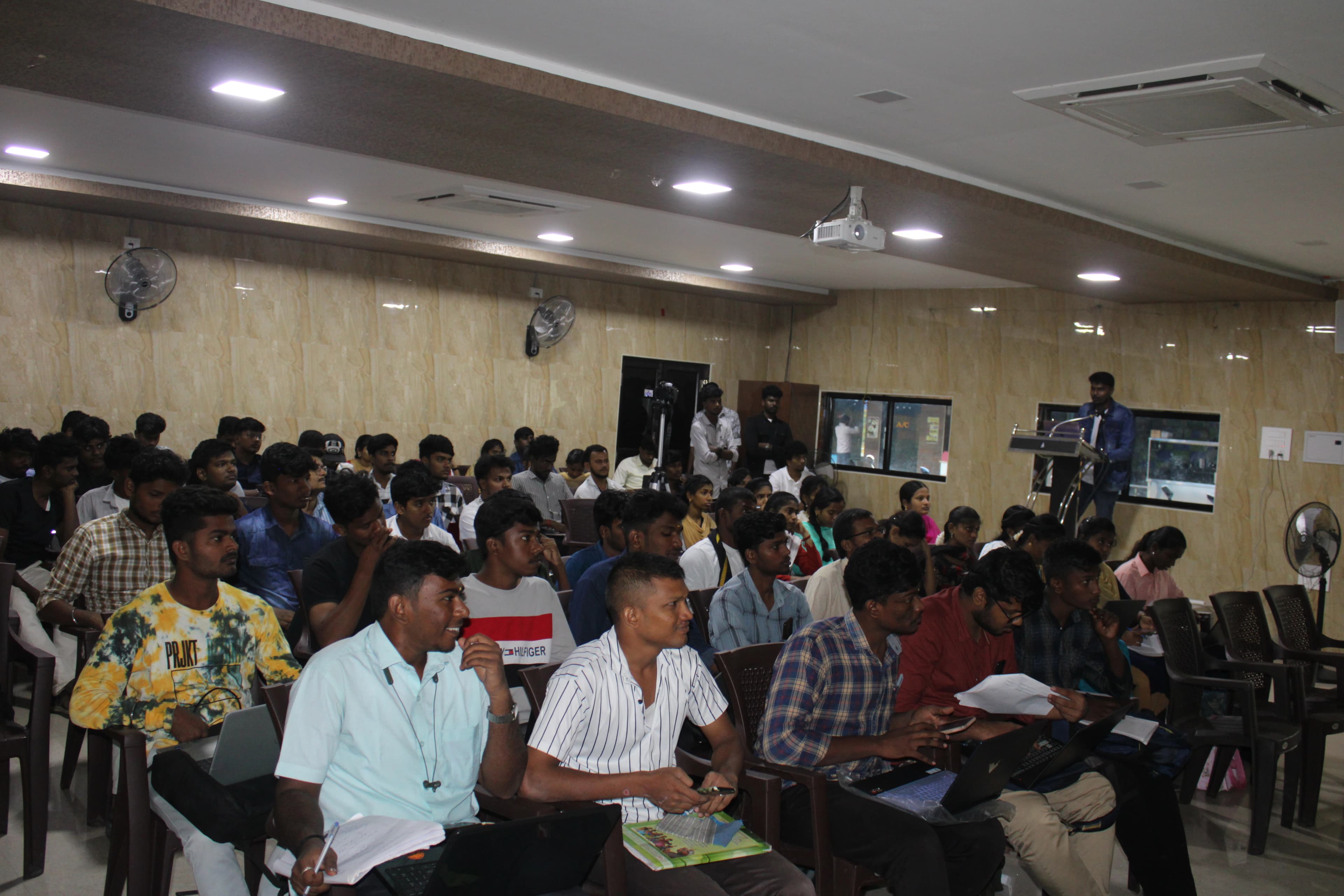
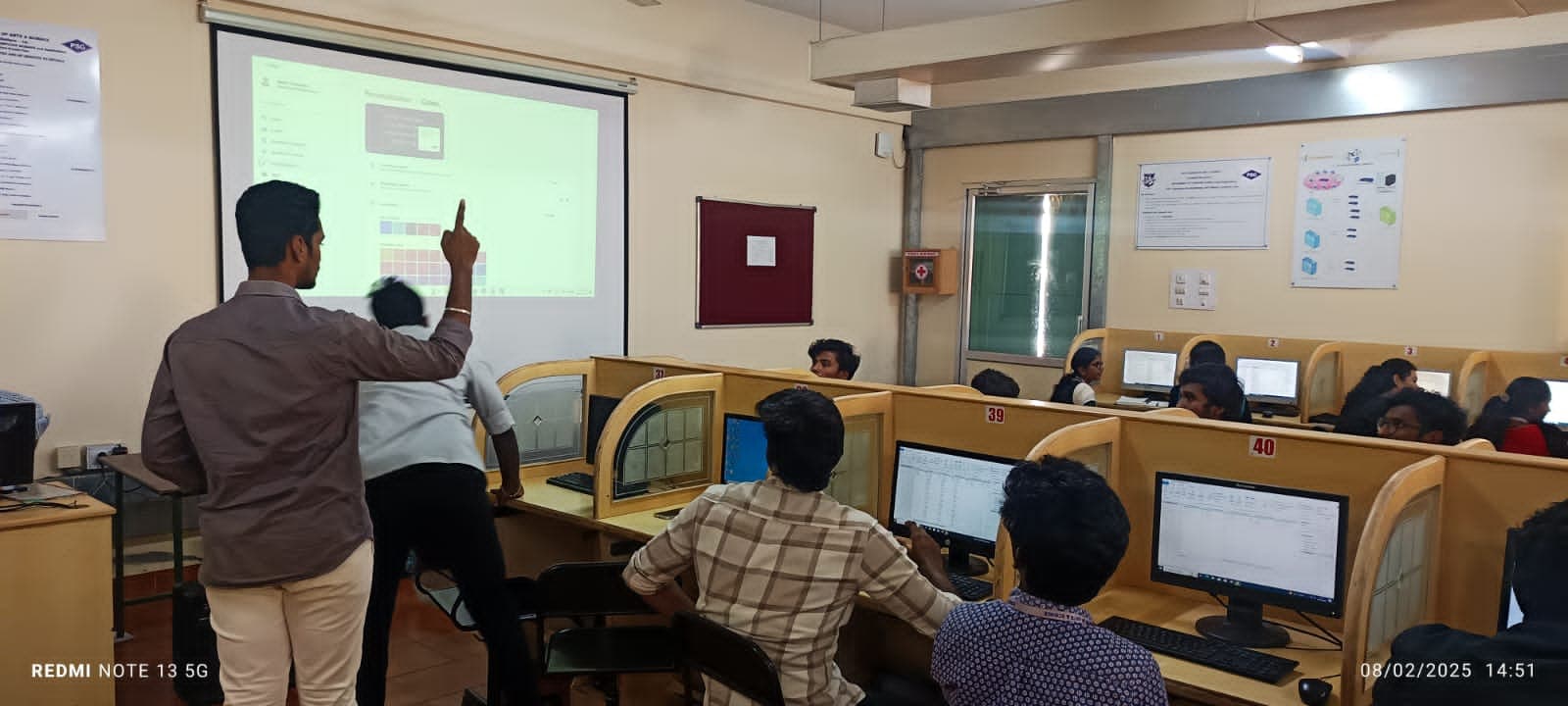
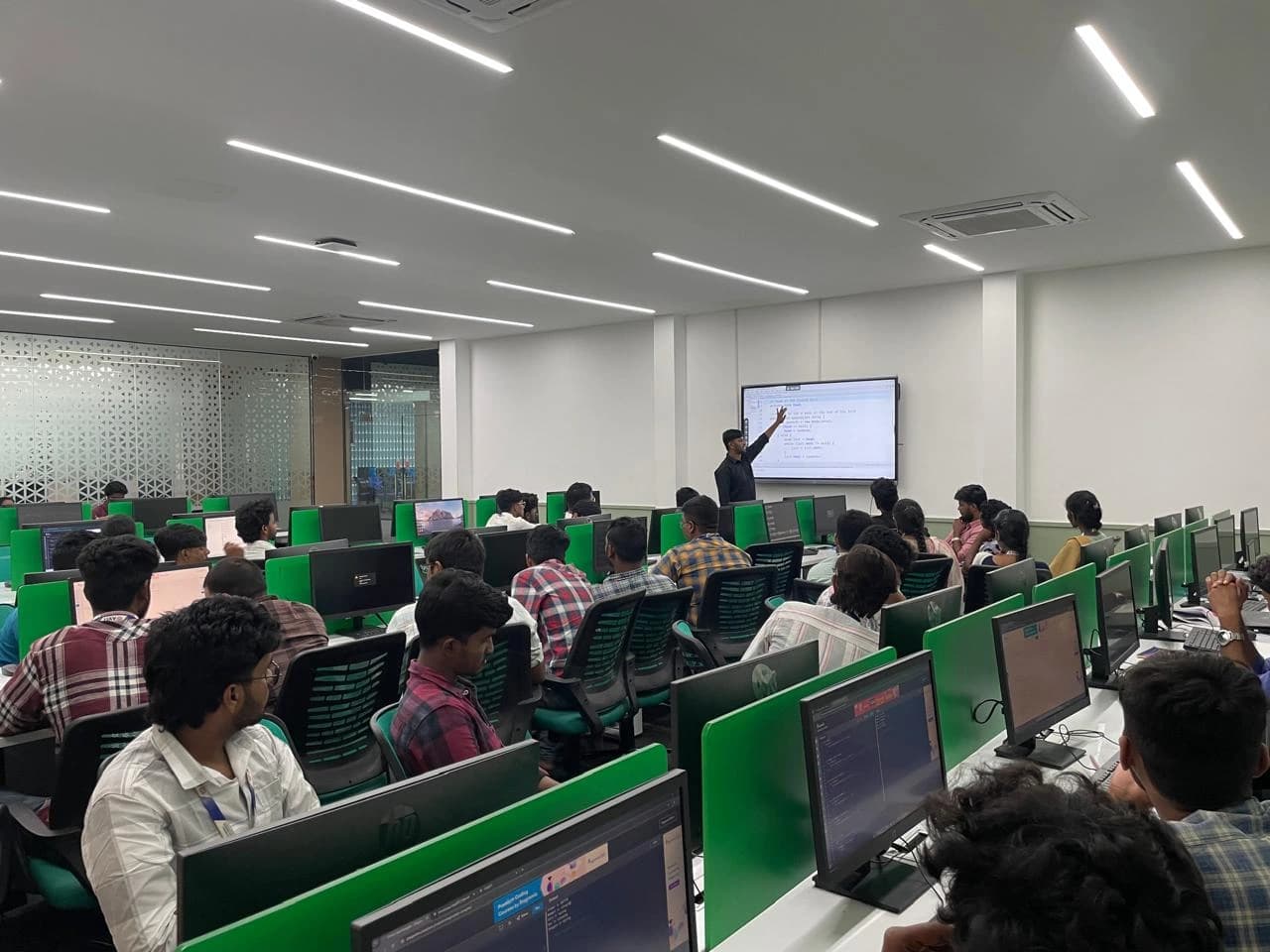
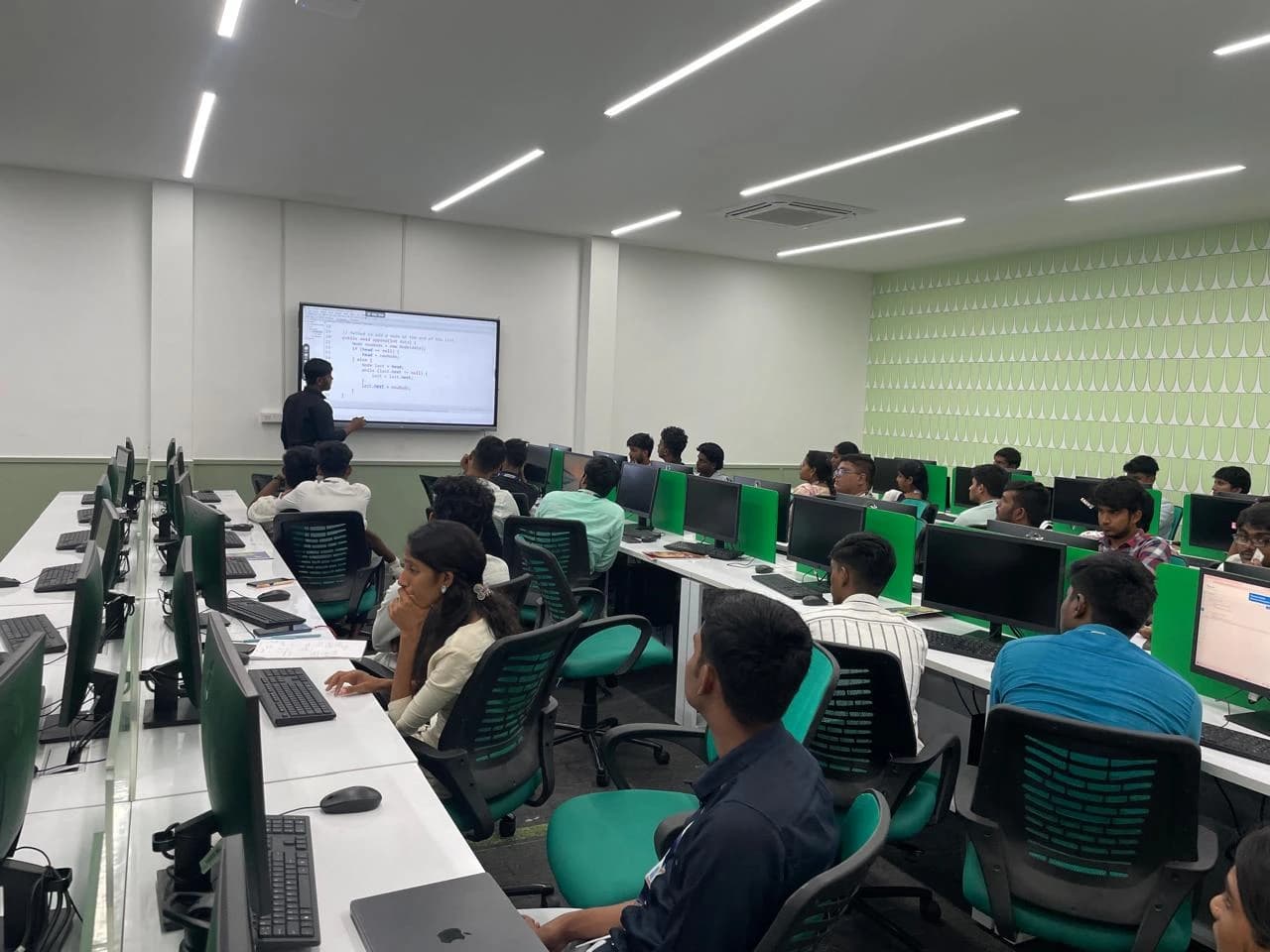
At CodePurple Academy, in collaboration with Vimix Technologies, we believe in hands-on immersion over passive theory. We recently concluded our flagship 7-Day Full Stack Development Workshop at Aarupadai Veedu Institute of Technology (AVIT), Chennai.
Over 200 enthusiastic engineering and computer science students participated in this intensive bootcamp. Led by senior industry practitioners and mentors, attendees tackled real-world coding challenges, architected APIs from scratch, and built responsive frontend web applications.
- 200+ passionate students trained across 7 intensive days.
- Live coding labs covering HTML5, CSS3, React.js, Python, and API integrations.
- Direct 1-on-1 mentorship and debugging clinics with senior industry developers.
- Collaborative hackathon atmosphere with students showcasing live deployed projects.
Conclusion
The landscape of software development in 2026 is rewarding those who can turn an idea into a functional, deployed digital product end-to-end. Python Full Stack Development provides the perfect equilibrium of developer velocity, enterprise stability, and forward compatibility with artificial intelligence.
Whether you are just beginning your coding journey in college or seeking to upgrade your engineering skills, investing in full stack proficiency equips you with durable skills that withstand industry shifts.
Ready to kickstart your journey? Join CodePurple Academy's industry-aligned Full Stack programs and gain direct mentorship, production-grade project experience, and dedicated placement support.
"Your career isn't defined by the tools you start with, but by how completely you can solve real-world problems. Start building today."