What Is MERN Stack? Explained for Beginners
Learn What Is MERN Stack Explained for Beginners and start your journey into building interactive and efficient web applications.
1. Introduction to MERN Stack
1.1 Understanding Modern Web DevelopmentWeb development has evolved into a dynamic ecosystem where interactive interfaces, rapid performance, and seamless user experiences are essential. Modern applications demand robust frameworks and flexible architectures capable of handling massive user engagement. The MERN stack stands as a response to these needs.
1.2 Why MERN Is Popular Among DevelopersIts unified JavaScript ecosystem, powerful tools, and ability to build end-to-end applications make MERN a widely preferred choice. Developers appreciate its simplicity, agility, and the vast community that supports continuous improvement.
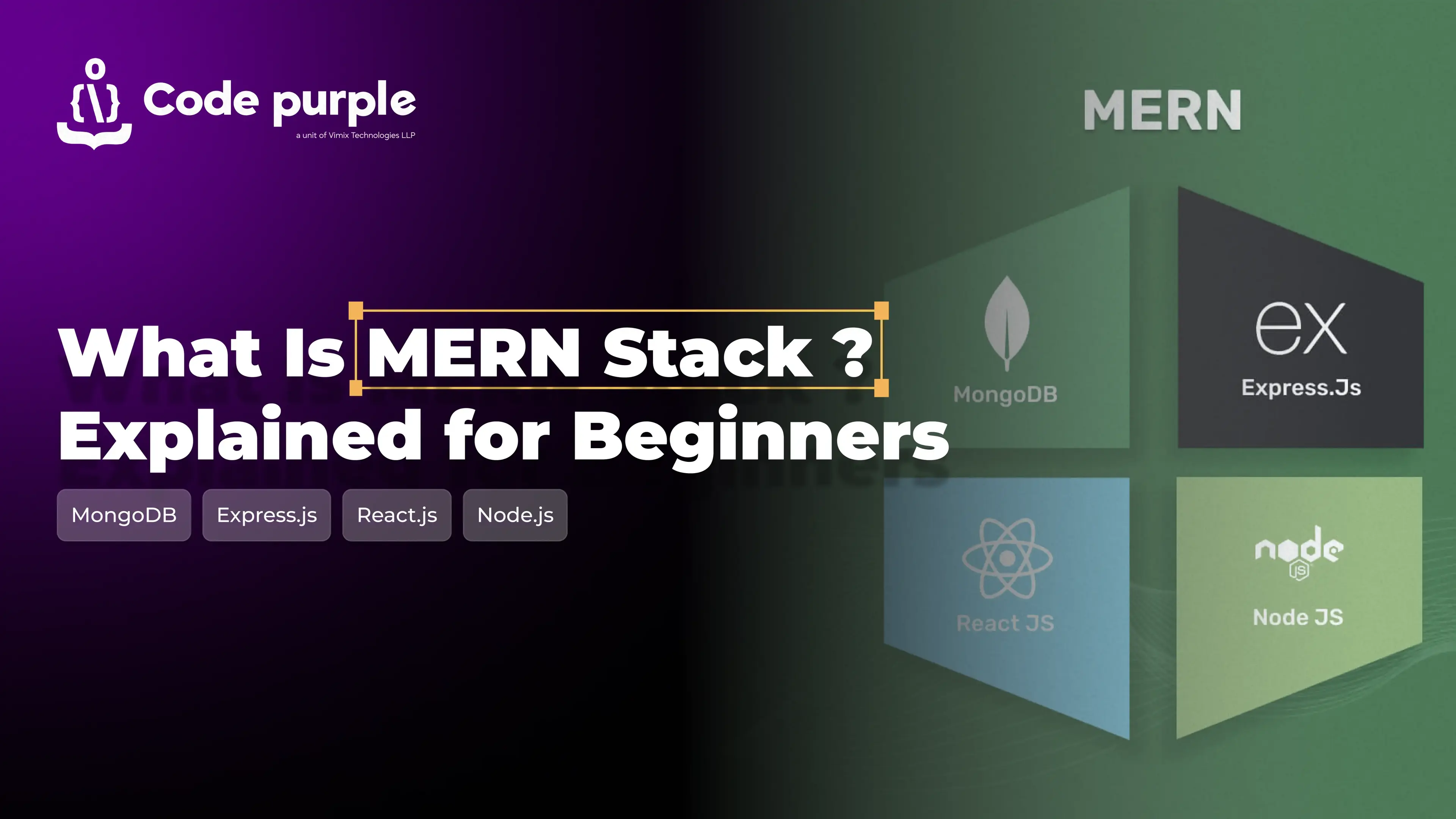
2. What Does MERN Stand For?
2.1 MongoDBMongoDB is a NoSQL database that stores data as flexible JSON-like documents, providing agility and scalability.
2.2 Express.jsExpress.js is a minimalist backend framework that simplifies server creation and API development.
2.3 React.jsReact is a powerful frontend library for building interactive UI components with reusable structures.
2.4 Node.jsNode.js allows JavaScript to run on the server, enabling full-stack development with a single language.
3. How MERN Stack Works Together
3.1 Client-Side and Server-Side IntegrationThe MERN stack enables smooth communication between the client interface, backend server, and database. React handles the user interactions, while Express and Node manage server logic.
3.2 Data Flow in a MERN ApplicationData flows from the frontend to the backend through APIs, reaches MongoDB for storage or retrieval, and travels back to React for rendering. This streamlined process ensures efficient performance.
4. MongoDB: The NoSQL Database
4.1 Document-Based StorageMongoDB organizes data into collections and documents rather than tables, allowing highly flexible schemas.
4.2 Flexibility and Scalability BenefitsIts horizontal scaling and easy replication make MongoDB ideal for applications expecting rapid growth and unpredictable data patterns.
5. Express.js: The Backend Framework
5.1 Lightweight StructureExpress offers a minimal structure while still providing essential features such as routing, middleware, and HTTP utilities.
5.2 Building APIs with Minimal EffortDevelopers can create scalable REST APIs quickly without dealing with unnecessary complexity.
6. React.js: The Frontend Library
6.1 Component-Based ArchitectureReact breaks the UI into reusable components, enabling modular development and easy maintenance.
6.2 Virtual DOM and Improved PerformanceThe Virtual DOM optimizes rendering by updating only necessary parts of the UI, enhancing speed and efficiency.
7. Node.js: The Runtime Environment
7.1 JavaScript on the ServerNode enables server-side programming using JavaScript, bringing uniformity to the development process.
7.2 Event-Driven and Non-Blocking NatureIts asynchronous architecture allows Node to handle multiple requests simultaneously, reducing delays.
8. Advantages of Using MERN Stack
8.1 Full JavaScript DevelopmentDevelopers can build the entire application—frontend, backend, and database interactions—using JavaScript.
8.2 Strong Community SupportA large global community ensures constant updates, libraries, and support.
8.3 Rapid Development CapabilitiesIts reusable components and efficient workflow accelerate development time.
8.4 High ScalabilityMERN applications can scale effortlessly as user demand increases.
9. Key Features of MERN Stack Applications
9.1 Single-Page Application (SPA) StructureReact-based SPAs deliver fast, fluid user experiences without constant page reloads.
9.2 Real-Time Data HandlingMongoDB and Node support real-time data processing, ideal for live dashboards.
9.3 Efficient State ManagementReact’s state management tools ensure consistent and predictable UI behavior.
10. Common Use Cases of MERN Stack
10.1 Social Media PlatformsMERN supports dynamic feeds, messaging, and real-time updates.
10.2 E-Commerce ApplicationsIt handles product catalogs, payments, and user accounts efficiently.
10.3 Project Management ToolsReal-time task updates and collaboration features work well in MERN.
10.4 Streaming and Content PlatformsIts scalability supports heavy media consumption and user interactions.
11. MERN vs MEAN Stack
11.1 Angular vs ReactMEAN uses Angular, a full-fledged framework, whereas MERN relies on React’s flexible component-based system.
11.2 Flexibility and Learning CurveReact’s simpler learning curve makes MERN more beginner-friendly than MEAN.
12. Learning MERN Stack as a Beginner
12.1 Prerequisite SkillsA solid grasp of JavaScript, HTML, CSS, and basic programming logic is essential.
12.2 Roadmap to MasteryBegin with JavaScript fundamentals, then progress through Node, Express, MongoDB, and finally React.
13. Essential Tools for MERN Development
13.1 Code EditorsVS Code is widely preferred due to its extensive plugins and developer-friendly interface.
13.2 Version Control SystemsGit helps manage revisions and collaborate efficiently.
13.3 Package ManagersNPM and Yarn handle dependencies and simplify project setup.
14. How to Set Up a Basic MERN Project
14.1 Creating the BackendInstall Node and Express to create API routes and server logic.
14.2 Connecting the DatabaseUse Mongoose to interact with MongoDB seamlessly.
14.3 Building the FrontendIntegrate React to construct user interfaces and connect them with backend APIs.
15. Best Practices in MERN Development
15.1 Writing Modular CodeOrganize files and functions to keep the project clean and scalable.
15.2 Securing the ApplicationImplement authentication, validation, and encrypted communication.
16. Common Challenges for Beginners
16.1 Handling Asynchronous CodeUnderstanding promises, callbacks, and async/await can initially be daunting.
16.2 Debugging Complex FlowsTracking issues across multiple layers—frontend, backend, and database—requires patience and methodical thinking.
17. Future Scope of MERN Stack
17.1 Increasing Demand in IndustryThe global rise of full-stack development ensures long-term relevance.
17.2 Continuous Ecosystem GrowthFrequent updates and innovations strengthen the MERN stack’s capabilities.
18. MERN Stack Career Opportunities
18.1 Job RolesFull stack developer, frontend developer, backend developer, and API specialist.
18.2 Salary ExpectationsMERN developers often command competitive salaries due to their versatile skill set.
19. Tips to Become a Successful MERN Developer
19.1 Building Real ProjectsPractical experience is crucial for understanding complex workflows.
19.2 Practicing Clean CodeReadable, organized code ensures long-term maintainability.
20. Conclusion
The MERN stack stands as a powerful, adaptable, and beginner-friendly technology suite for building modern applications. Its unified JavaScript environment, robust capabilities, and expanding ecosystem make it a standout choice for aspiring developers.
Share this article
Ready to Start Your Tech Journey?
Join Code Purple Academy and transform your career with industry-leading courses