Why Python Is Essential for Modern Data Analytics?
Why Python Is Essential for Modern Data Analytics? Learn how Python for Data Analytics turns complex data into clear insights and smarter business decisions.
Introduction
The Data-Driven Era of Decision MakingWe are living in a time where data influences almost every decision we make. Businesses no longer rely on assumptions alone they rely on measurable insights. Whether it's understanding customer behavior, optimizing marketing campaigns, forecasting sales, or improving healthcare outcomes, data plays a central role.
Modern organizations collect massive volumes of information daily. However, collecting data is only the first step. The real value lies in analyzing it properly and extracting meaningful insights. This is where Python for Data Analytics becomes incredibly important.
Instead of manually processing spreadsheets or relying on limited tools, professionals today prefer programming-based solutions that offer scalability and flexibility. Python for Data Analytics has emerged as one of the most reliable and efficient ways to turn raw data into strategic decisions.
The Rise of Python in Analytical EcosystemsPython was not originally built only for analytics, yet it has become one of the most powerful languages in this field. Over the past decade, the growth of Python for Data Analytics has been remarkable. Universities teach it, startups depend on it, and large enterprises integrate it into their core systems.
What makes Python so dominant is not just the language itself, but the ecosystem surrounding it. The availability of powerful libraries, community-driven innovation, and real-world adaptability has made Python for Data Analytics the standard choice for analysts and data scientists across industries.
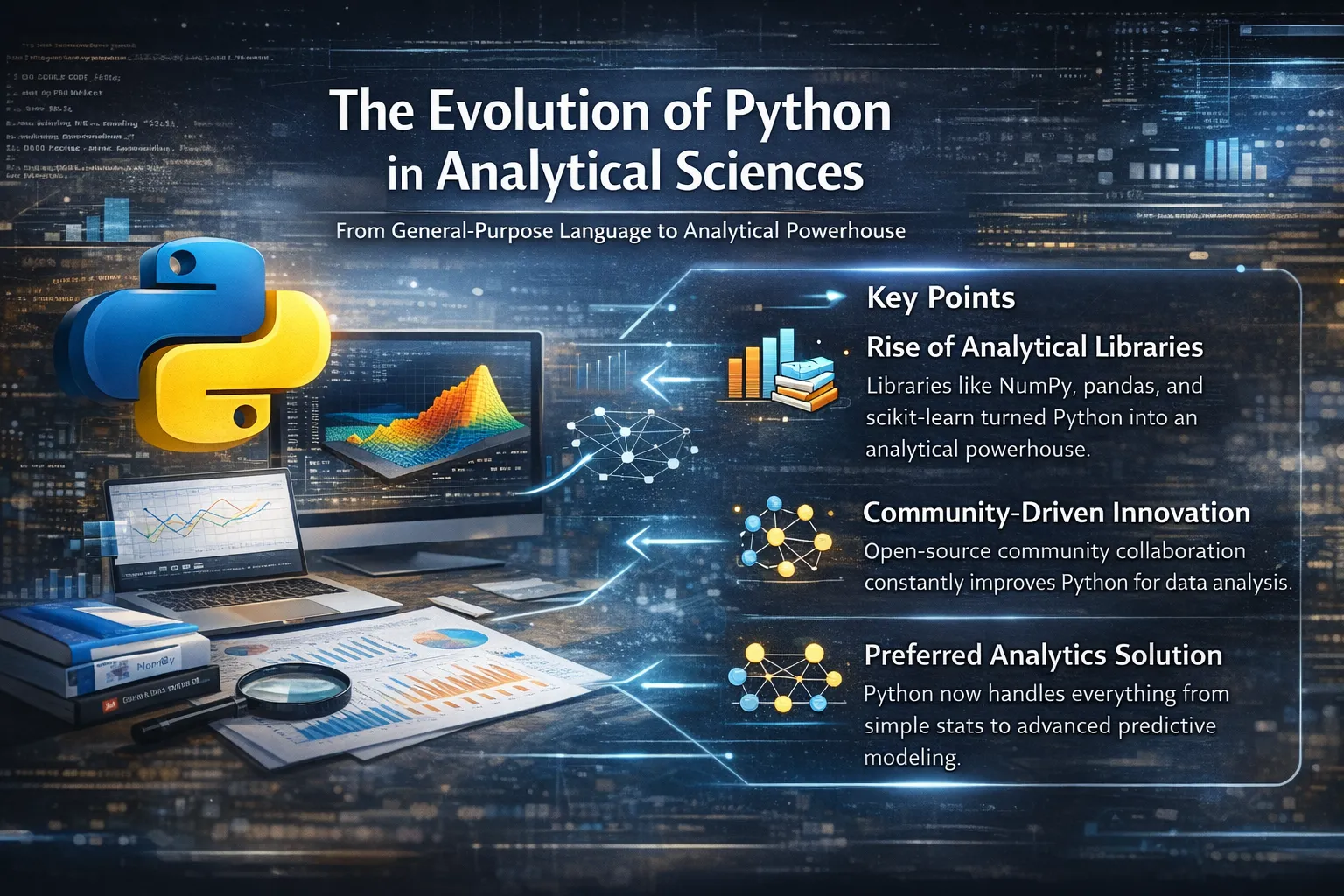
The Evolution of Python in Analytical Sciences
From General-Purpose Language to Analytical PowerhouseWhen Python was first introduced, it was valued for its simplicity and readability. Developers appreciated how clean and structured the code looked. Over time, analysts realized that these same qualities made Python perfect for handling complex data problems.
As industries started generating more data, the need for advanced analytical tools increased. Python adapted quickly. Developers began building libraries specifically designed for statistical analysis, visualization, and machine learning.
Today, Python for Data Analytics is not just a convenient option, it is often the preferred solution. It handles everything from simple descriptive analysis to advanced predictive modeling with ease
Community-Driven Innovation and Open-Source MomentumOne major reason behind the success of Python for Data Analytics is its open-source community. Thousands of developers continuously improve its libraries and frameworks. This means the language evolves alongside industry demands.
Unlike proprietary software that depends on corporate updates, Python grows through global collaboration. Analysts share solutions, improve documentation, and develop new tools regularly. This collaborative environment ensures that Python for Data Analytics remains innovative, practical, and future-ready.
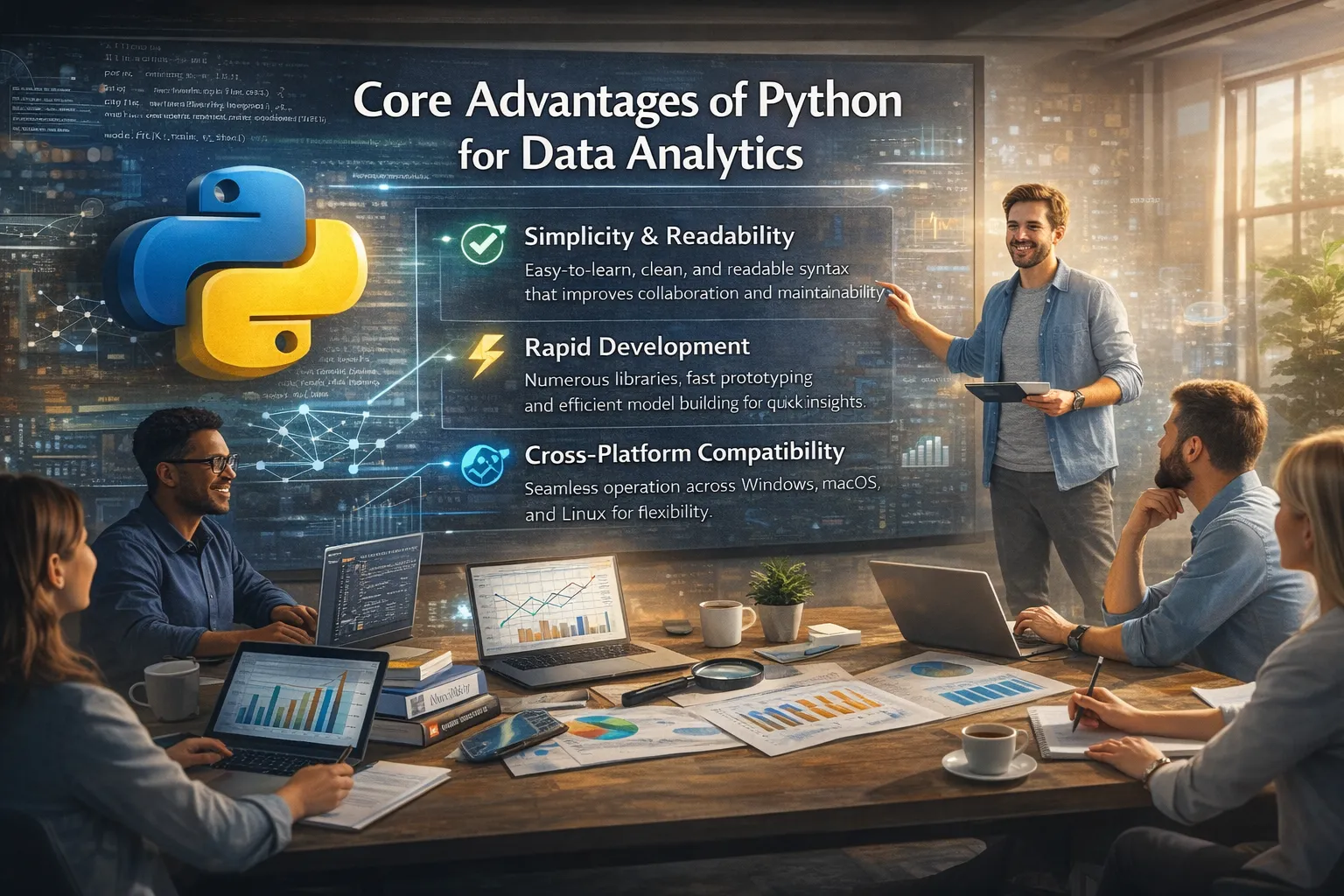
Core Advantages of Python for Data Analytics
Simplicity and ReadabilityPython’s clean syntax makes it easy to learn and use. Even beginners can understand Python code without feeling overwhelmed. This simplicity allows professionals to focus more on solving analytical problems rather than struggling with complex programming structures.
Because of this readability, teams can collaborate efficiently. Code written for Python for Data Analytics is usually easy to maintain, review, and update.
Rapid Development and PrototypingIn today’s fast-paced business environment, speed matters. Companies cannot afford to wait weeks for insights. With Python for Data Analytics , professionals can quickly build models, test hypotheses, and refine results.
The availability of ready-to-use libraries significantly reduces development time. Instead of building algorithms from scratch, analysts can use tested solutions and customize them according to their needs.
Cross-Platform CompatibilityPython works smoothly across Windows,macOS, and Linux. This cross-platform flexibility ensures that projects built using Python for Data Analytics can be deployed in different environments without compatibility issues.
This makes it especially useful for teams working remotely or across multiple systems.
.webp)
Powerful Libraries that Define Python for Data Analytics
One of the strongest reasons for the popularity of Python for Data Analytics is its rich ecosystem of libraries. These libraries simplify complex tasks and make analytics more efficient.
Data Manipulation with PandasPandas is widely used for data cleaning and transformation. It allows analysts to filter data, handle missing values, group records, and perform statistical operations easily.
When working with structured data such as CSV files, Excel sheets, or databases, Pandas becomes an essential tool in Python for Data Analytics workflows.
Numerical Computing with NumPyNumPy supports high-performance mathematical operations. It enables efficient handling of arrays and matrices, which are fundamental in statistical and numerical analysis
Without NumPy, advanced calculations in Python for Data Analytics would be slower and more complicated.
Visualization with Matplotlib and SeabornData visualization is critical for communicating insights clearly.Matplotlib and Seaborn allow analysts to create charts, graphs, and statistical visualizations that help stakeholders understand trends and patterns quickly.
Visualization tools strengthen the impact of Python for Data Analytics, making insights more accessible and actionable.
Advanced Analytics with Scikit-learnScikit-learn provides machine learning algorithms for classification, regression, clustering, and more. It bridges the gap between traditional analytics and predictive modeling.
Because of this integration, Python for Data Analytics smoothly transitions into machine learning applications.
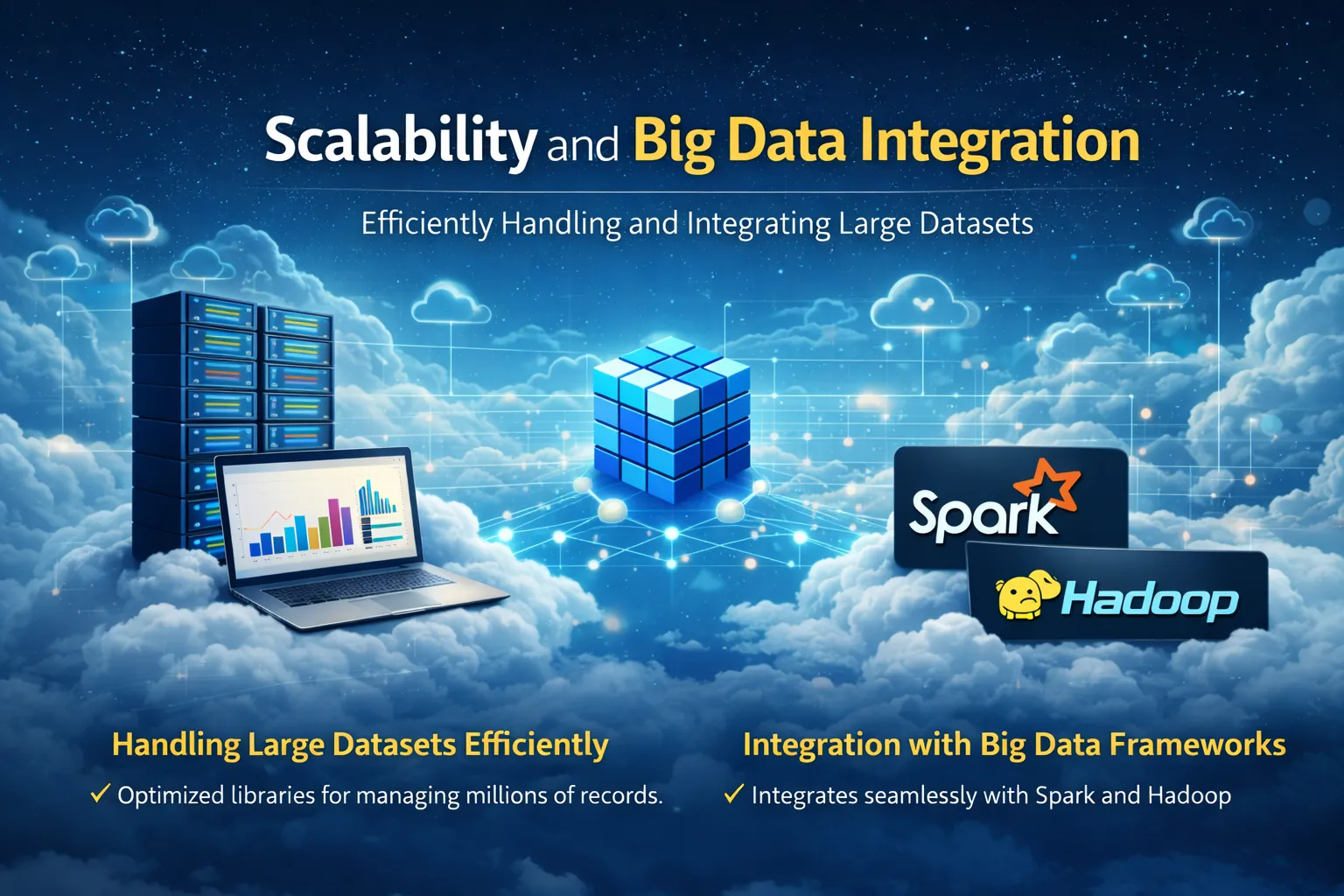
Scalability and Big Data Integration
Handling Large Datasets EfficientlyAs organizations grow, so does their data volume. Handling millions of records requires tools that are efficient and scalable. Python supports optimized libraries that manage large datasets effectively.
With proper structuring and optimization, Python for Data Analytics performs well even with complex and high-volume data.
Integration with Big Data FrameworksPython integrates with big data technologies like Spark and Hadoop. This means analysts can process distributed datasets without leaving the Python ecosystem.
Such flexibility ensures that Python for Data Analytics remains relevant even in enterprise-level big data environments.
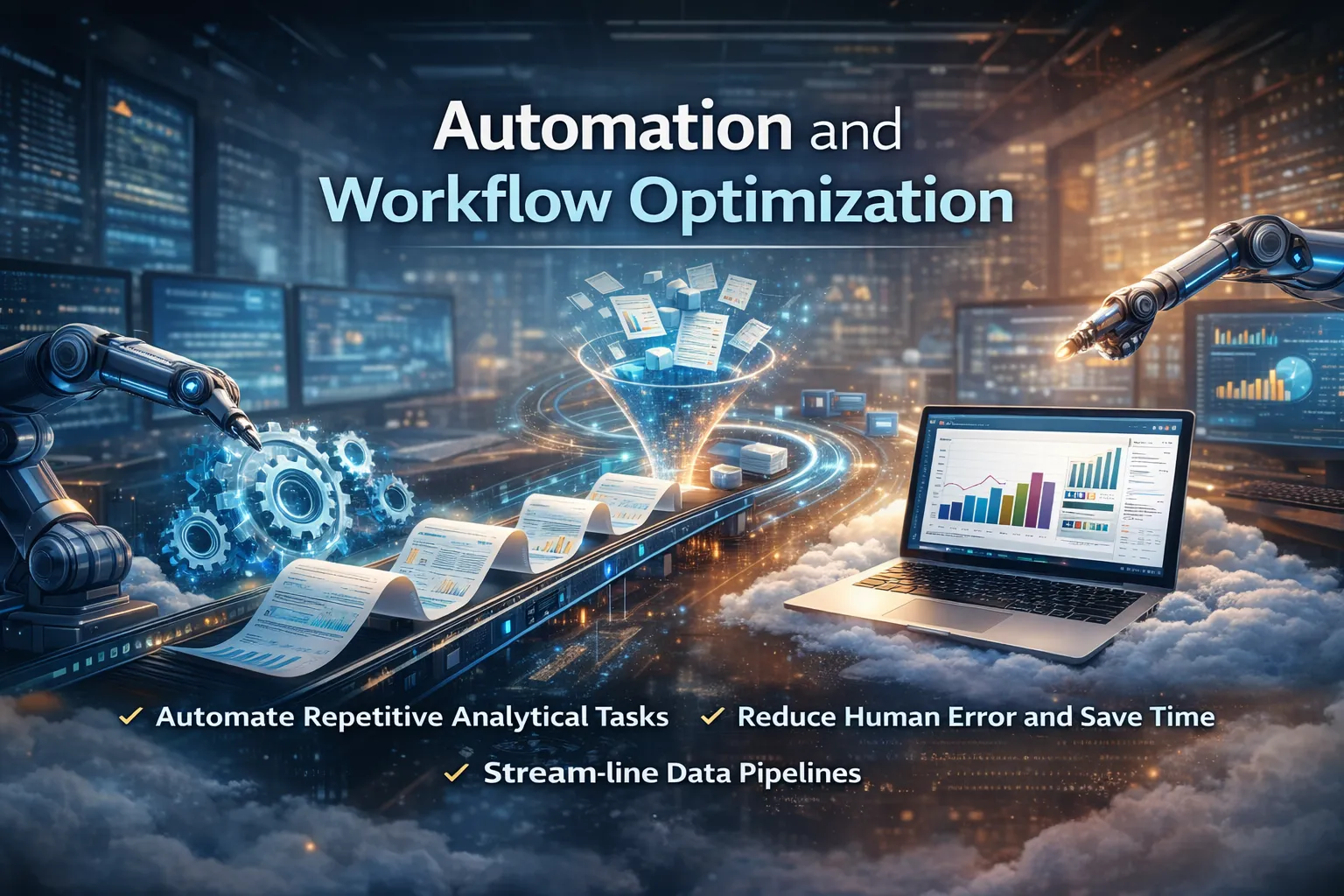
Automation and Workflow Optimization
Automating Repetitive Analytical TasksMany analytical tasks are repetitive cleaning data, generating weekly reports, or updating dashboards. Python allows automation of these processes through scripting.
Automation not only saves time but also reduces human error. This makes Python for Data Analytics a practical solution for businesses aiming to improve efficiency.
Streamlining Data PipelinesFrom extracting raw data to presenting final insights, Python can manage complete workflows. Analysts can build pipelines that automatically collect, transform, analyze, and visualize data.
This end-to-end capability makes Python for Data Analytics highly efficient and reliable.
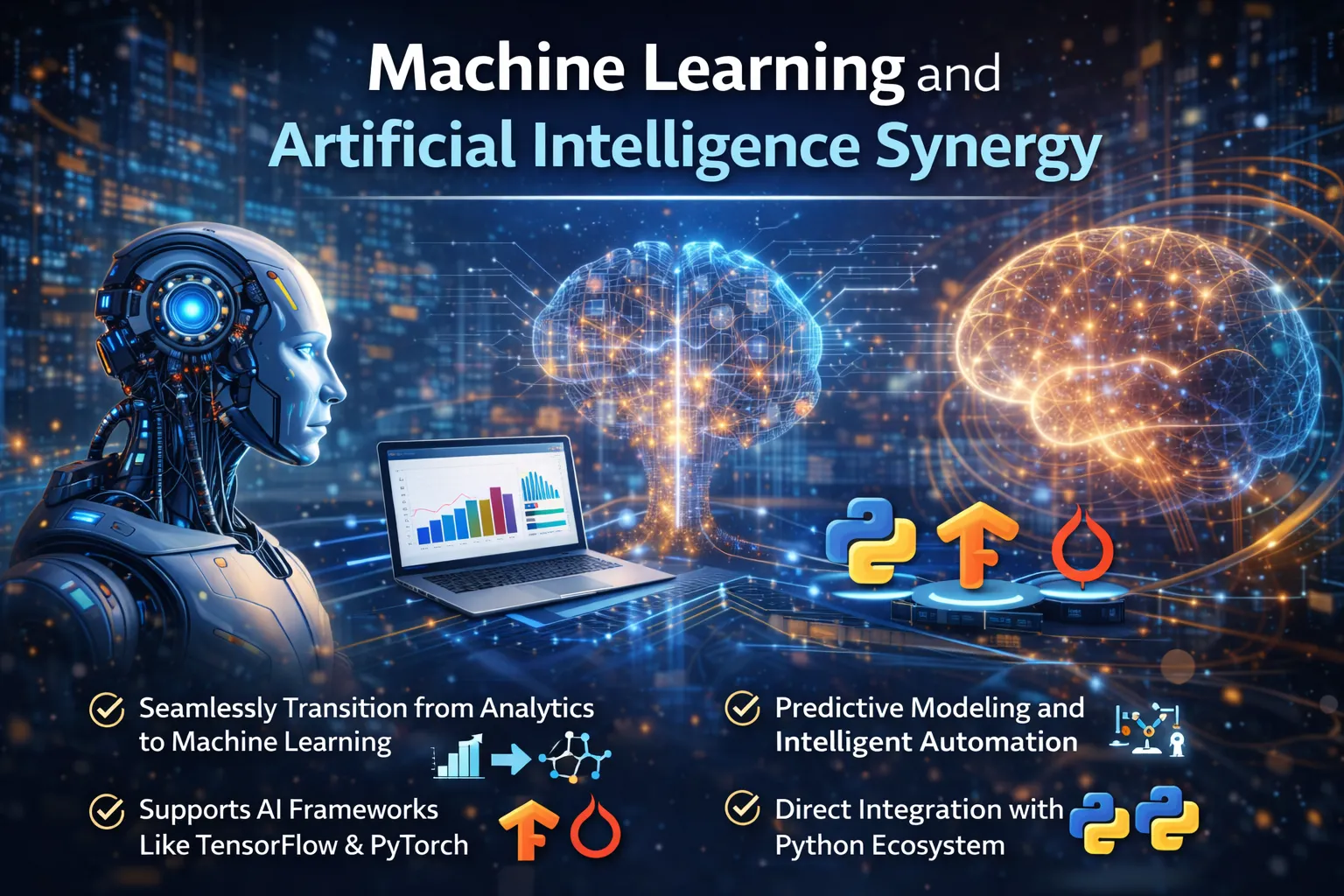
Machine Learning and Artificial Intelligence Synergy
Seamless Transition from Analytics to Machine LearningOnce descriptive analytics is complete, organizations often move toward predictive modeling. Python makes this transition smooth. Analysts can directly apply machine learning techniques using the same ecosystem.
This seamless progression is one of the biggest strengths of Python for Data Analytics.
Integration with AI FrameworksPython supports advanced AI frameworks such as TensorFlow and PyTorch. These frameworks enable deep learning and artificial intelligence applications.
Because of this integration, Python for Data Analytics is not limited to reporting it extends into intelligent automation and predictive systems.
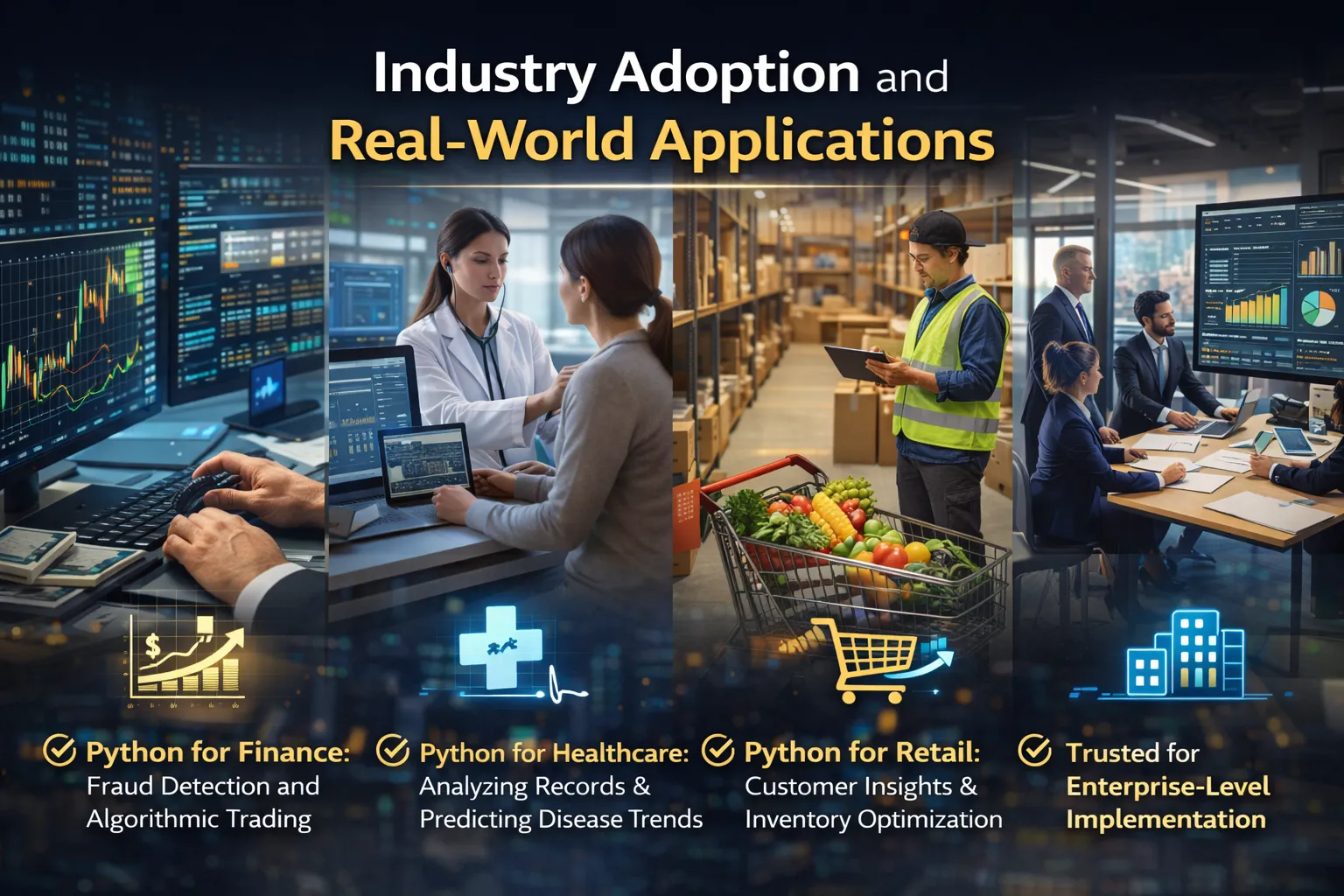
Industry Adoption and Real-World Applications
Python in Finance, Healthcare, and RetailIn finance, Python is used for fraud detection, risk modeling, and algorithmic trading. In healthcare, it helps analyze patient records and predict disease trends. In retail, businesses use it to understand customer preferences and optimize inventory.
Across sectors, Python for Data Analytics drives smarter decisions and measurable improvements
Enterprise-Level ImplementationLarge organizations rely on Python for dashboard creation, performance tracking, predictive analysis, and automation. Its scalability and flexibility make it suitable for enterprise-level applications.
As digital transformation accelerates, the importance of Python for Data Analytics continues to grow.

Career Opportunities and Professional Growth
Rising Demand for Python SkillsThe demand for professionals skilled in Python for Data Analytics is consistently increasing. Job roles such as Data Analyst, Data Scientist, Business Intelligence Analyst, and Machine Learning Engineer often require Python expertise.
Companies value candidates who can handle data efficiently and provide actionable insights.
Competitive Advantage in the Job MarketLearning Python for Data Analytics gives job seekers a strong competitive edge. It demonstrates technical capability, analytical thinking, and adaptability.
For students and professionals looking to advance their careers, mastering Python is a strategic investment in long-term growth.
Frequently Asked Questions
1. Why is Python so important in today’s data-driven world?When we talk about Python for Data Analytics , we’re talking about a language that has quietly become the backbone of modern decision-making. Businesses today rely on data for almost everything from marketing strategies to product improvements and Python makes that process smoother. It’s easy to read, easy to learn, and powerful enough to handle complex analytical tasks without feeling overwhelming.
2. What makes Python for Data Analytics stand out from other tools?One major reason Python for Data Analytics stands out is its ecosystem. Instead of juggling multiple tools, you can do almost everything in one place. Libraries like Pandas help clean and organize messy datasets, while NumPy handles calculations efficiently. This flexibility saves time and makes workflows far more productive.
3. Is Python for Data Analytics beginner-friendly?Absolutely. Many people choose Python for Data Analytics as their entry point into the tech world because the syntax feels natural and readable. You don’t need to be a hardcore programmer to start analyzing data. With consistent practice, beginners can quickly move from learning basic concepts to working on real-world datasets.
4. How does Python manage large volumes of data?Modern organizations deal with massive datasets, and Python for Data Analytics is built to handle that challenge. It integrates smoothly with platforms like Apache Spark, which allows distributed processing across multiple systems. This means businesses can analyze millions of records efficiently without slowing down operations.
5. Can Python help turn raw data into meaningful visuals?Yes, and this is where Python for Data Analytics truly shines. Numbers alone don’t tell a story visuals do. With tools like Matplotlib, analysts can create clear graphs and charts that make insights easy to understand. Whether it’s tracking sales trends or customer behavior, visualization plays a key role in smarter decisions.
6. Is Python useful beyond basic analysis?Definitely. Python for Data Analytics goes far beyond spreadsheets and charts. It supports machine learning through libraries like Scikit-learn and even deep learning with TensorFlow. This means analysts can build predictive models, automate decisions, and uncover patterns that aren’t obvious at first glance.
7. Why do companies consistently choose Python for Data Analytics projects?Companies appreciate tools that are reliable and scalable. Python for Data Analytics is open-source, cost-effective, and backed by a huge global community. If there’s a problem, chances are someone has already solved it. That level of support makes it a practical and future-proof choice for businesses.
8. Does Python support real-time data analysis?Yes. In fast-moving industries like finance or e-commerce, real-time insights matter. Python for Data Analytics can connect with APIs and streaming systems to process live data. This allows companies to respond quickly to market changes and customer behavior.
9. Which industries rely heavily on Python for Data Analytics?From healthcare and banking to retail and technology, Python for Data Analytics is everywhere. Hospitals use it to analyze patient data, retailers use it to predict demand, and marketing teams use it to understand customer engagement. Its versatility makes it valuable across sectors.
10. How does learning Python for Data Analytics impact career growth?Learning Python for Data Analytics opens doors. Employers actively look for professionals who can interpret data and turn it into actionable insights. Whether you aim to become a data analyst, data scientist, or machine learning engineer, Python skills significantly strengthen your profile in today’s competitive job market.
Conclusion
There’s a reason Python for Data Analytics continues to dominate conversations in the tech and business world. It’s not just another programming language, it's a practical, accessible, and scalable solution for handling modern data challenges. From cleaning raw datasets to building advanced predictive models, Python offers everything professionals need in one ecosystem.
As organizations continue to depend on data for growth and innovation, the demand for Python for Data Analytics will only increase. For anyone serious about building a future-proof career in analytics, learning Python isn’t just a smart choice, it's a strategic one.
Share this article
Ready to Start Your Tech Journey?
Join Code Purple Academy and transform your career with industry-leading courses